A system that reaches young people, and stays.
Ahadi connects young people to care, builds frontline capacity to deliver it, and integrates both into public health systems.
Mental health support for young people across Africa is often hard to reach, unevenly delivered, and rarely embedded into the systems that serve them long term. Ahadi is built to address all three.
Digital Access & Delivery Infrastructure
The channels, tools, and systems that make mental health support reachable, through an app, SMS, or helpline, making it easier to reach out, get screened, and be connected to the right support quickly.
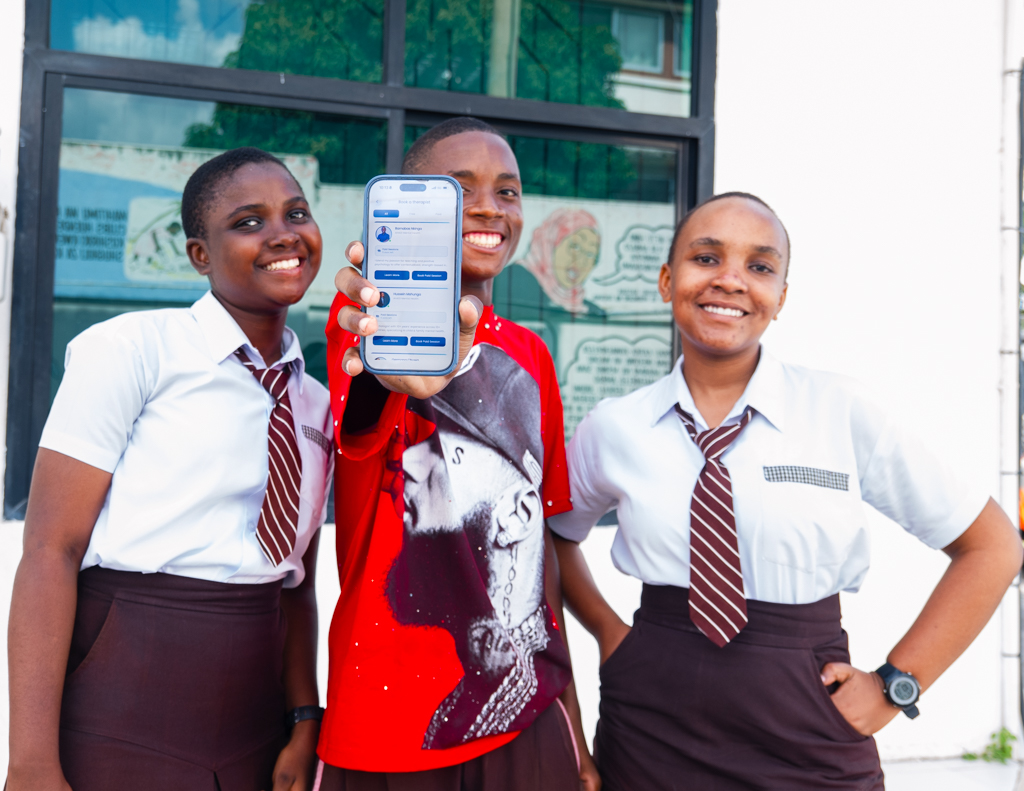
Frontline Capacity & Community Delivery
Building the capacity of people already present in young people’s lives, teachers, community health workers, peer supporters, and healthcare workers, to identify risk early, provide first-line support, and refer and follow up effectively.

Public Systems Integration & Ownership
Working with governments and national health institutions to ensure Ahadi is not a parallel programme that disappears when funding ends. The goal is a system government increasingly owns, finances, and supervises.
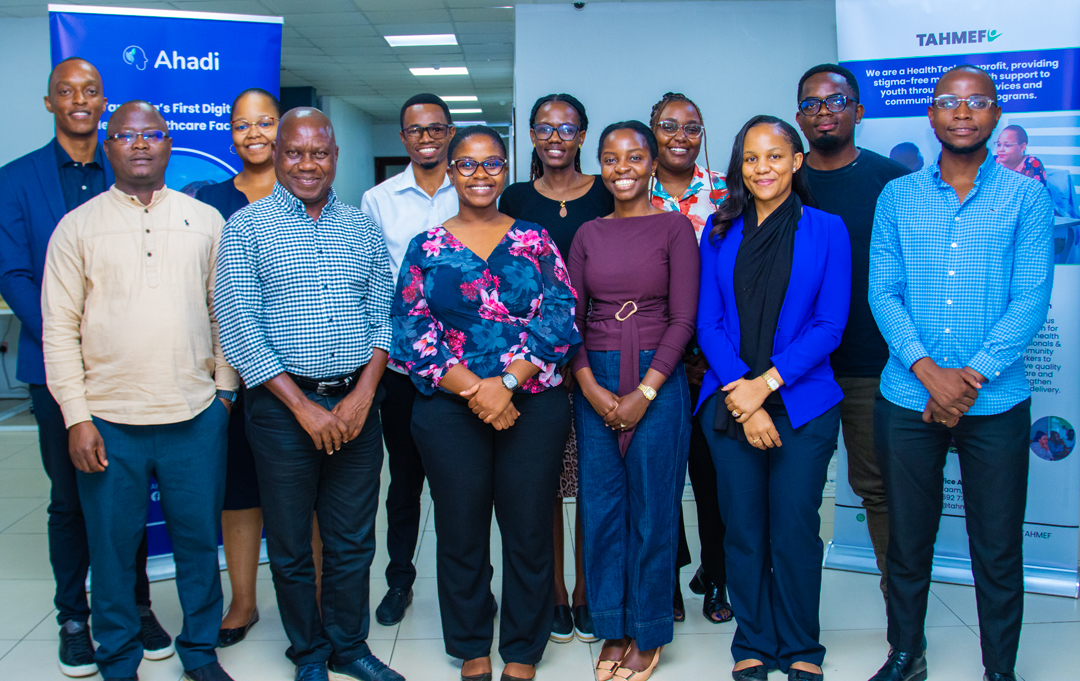
By 2030, the goal is for governments to be the primary delivery agent, with Ahadi providing the digital infrastructure, standardised protocols, data systems, and quality assurance that make that possible. Our goal is not to become the largest provider of youth mental health services. Our goal is to help government systems deliver those services better, earlier, and at scale.
Together these three pillars form a model that is reachable for young people, deliverable at scale, and designed to last. First built and proven in Tanzania, it is designed to travel.